

- Jackie Coates - CEO, Telstra Foundation
What happens when a group of young people decide to take control of their sleep? To find out, we’re partnering with expert sleep coaches and our Youth Advisory Council (YAC), to put science-backed sleep strategies into the hands of young people.
Ahead of National Sleep Health Week (11-18 Aug) for two weeks in July and August, our Youth Advisory Council (YAC) are taking on their own Do Not Disturb Sleep Challenge – a program designed to help them reclaim their rest in a world that rarely powers down. The challenge is simple: track your sleep, test out the strategies, and reflect on what actually helps you feel rested.
The Challenge
Our YAC received a sleep toolkit including masks, sleep trackers, notebooks, book vouchers etc. They also chose an extra sleep support item like blue light glasses or old-school alarm clocks. They kicked off with a sleep space cleanse (an old fashioned bedroom clean-up!). Then each day, they’re checking in via short surveys, and shared reflections on their experience. Resident sleep coaches Dr. Moira Junge and Jocelyn Brewer are offering guidance and helping the group to explore strategies like:
- Locking in a consistent wake-up time – Waking up at the same time every day—even on weekends – helps stabilize your circadian rhythm, making it easier to fall asleep and wake up naturally.
They tried setting a daily alarm for the same time each morning. - Getting bright light first thing in the morning – Exposure to natural light in the morning boosts alertness and helps reset your internal clock for better sleep at night.
They tried stepping outside for at least 10–15 minutes within an hour of waking, or sitting near a bright window. - Creating a tech-free wind-down routine – Reducing screen time before bed minimizes blue light exposure, which can interfere with melatonin production and sleep quality.
They tried switching off devices at least 30–60 minutes before bed and replacing screen time with calming activities like reading, drawing, meditation or journaling. - Reflecting on sleep patterns without obsessing – Being mindful of your sleep habits can help you make positive changes, but overanalysing can lead to stress and worsen sleep.
They kept a simple sleep log noticing trends, and focussing on progress rather than perfection.
Tweens, teens and tech
One of the biggest takeaways? Devices are powerful – but so is putting them down.
The YAC tried charging their phones outside the bedroom, switching on Do Not Disturb mode, and replacing late-night scrolling with journaling or reading. The result? More sleep, less stress, and a surprising sense of control.
“Journaling did take my mind off of a lot of things.” – YAC member
“I’m not sure if it’s like a placebo effect or a ‘clean room’ effect but I think I’m finally sleeping a bit better.” – YAC member
What We Learned
- Sleep is social: Sharing the challenge makes it easier to stick with.
- Small changes matter: Even one change – like morning light – makes a noticeable difference.
- Reflection helps: Tracking sleep patterns is giving our YAC insight into what works best for them.
“I tried the sleep mask, worked like a dream. It was so cozy and blocked out the light so I could sleep for longer.” – YAC member
“I used the blue light glasses for about two hours before I went to bed, it made watching a movie a bit weird but I think it definitely improved my quality of sleep.” – YAC member
What’s Next
The full report from the challenge and a guide supporting better sleep for young people will be released in September, featuring insights from the YAC, expert commentary, and sleep strategies for young people and their families/carers.
📅 Sign up here to receive a copy of the report.
💬 Tag @Telstra Foundation in LinkedIn and tell us your best sleep tip, using #ScrollLessSleepMore
Because better sleep isn’t just about going to bed earlier—it’s about creating space to really rest.
Our YAC testing out the sleep strategies

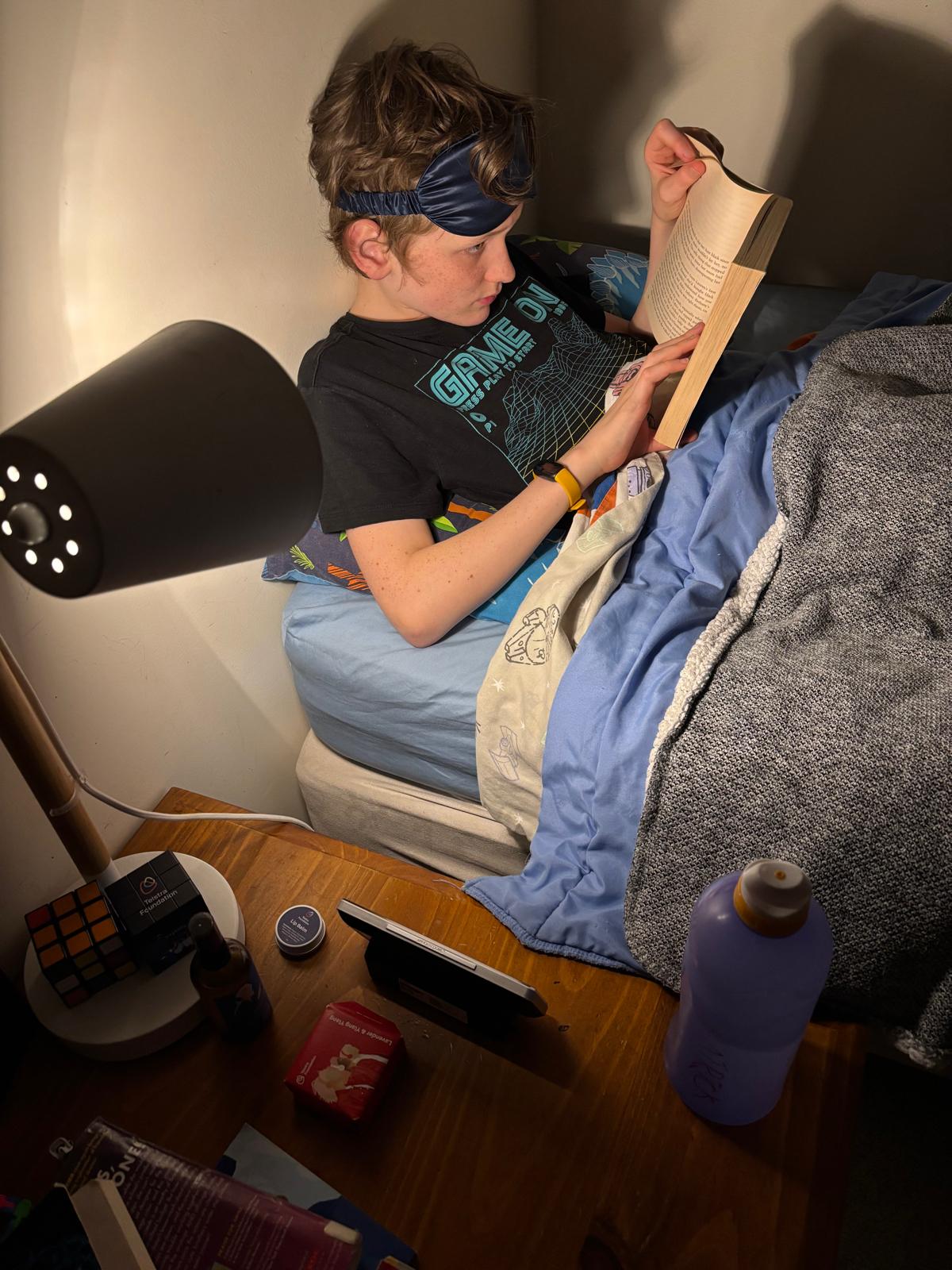
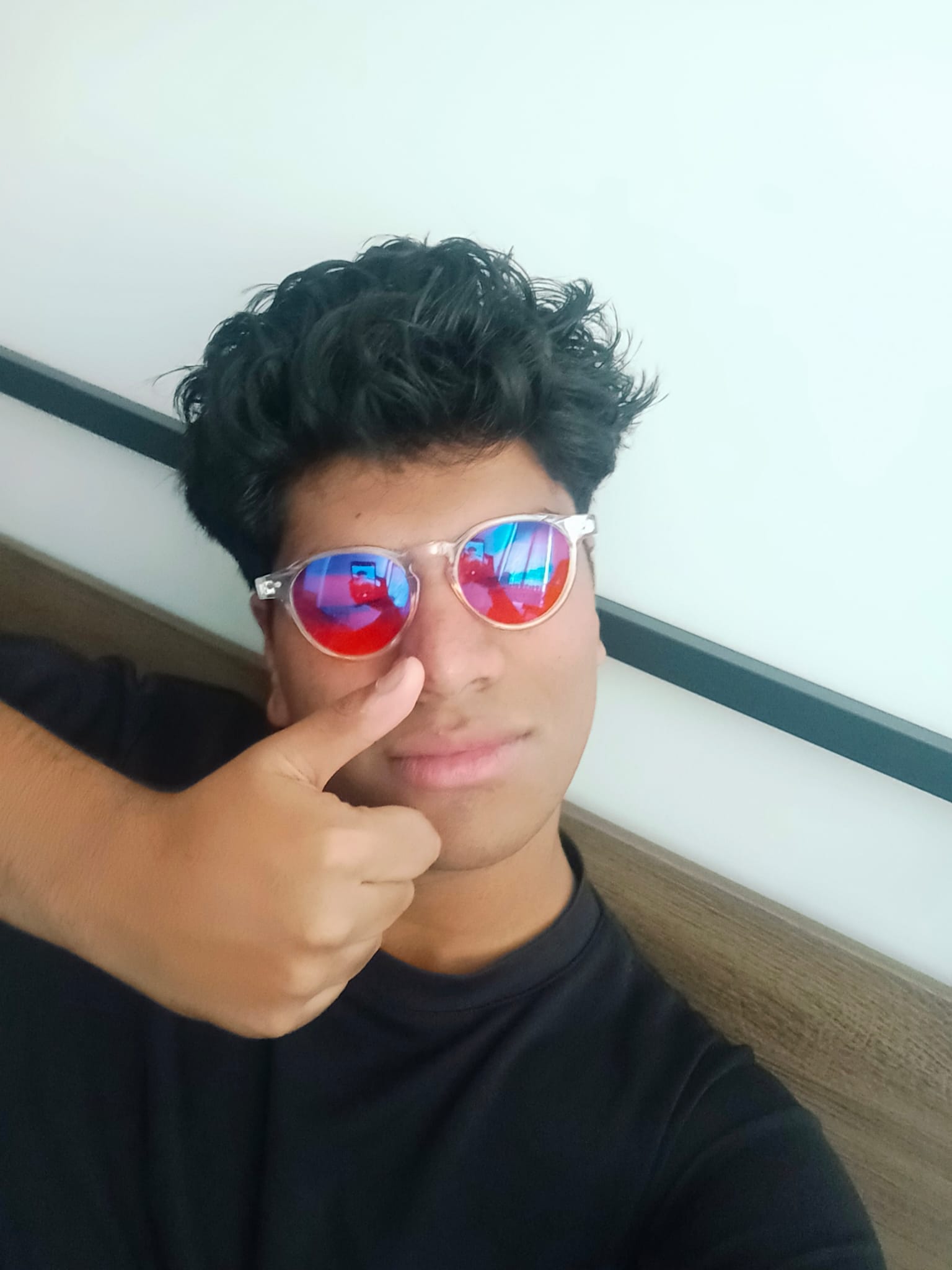
Our YAC share some more thoughts on sleep
About the sleep challenge
Telstra Foundation is running the sleep challenge with our YAC, ahead of National Sleep Health Week to help young people build healthier digital habits and improve their wellbeing – starting with sleep. The 2024 Australian Youth Digital Index revealed that while most young Australians feel confident navigating the digital world, many struggle to maintain balance, especially when it comes to screen time and sleep. The Index highlights how critical it is to support young people in developing not just digital skills, but also the self-awareness and routines that protect their wellbeing.
About PROJECT ROCKIT
Telstra Foundation partners with PROJECT ROCKIT to guide our Youth Advisory Council. We’re bringing together young Australians to shape the future of digital wellbeing. PROJECT ROCKIT’s deep expertise in youth engagement ensures the YAC is a safe, inclusive space where young people feel heard, valued, and empowered to lead change. Together, we’ve built a participatory